Hardware
Help customers check sizes, specifications, and compatibility before choosing.

Your customers know what they can find in your store. Help them find it online, too. We build and improve ecommerce websites for independent hardware, paint, and building-supply retailers across New England, with the catalog, product information, and buying options your customers need.
We start with your real product range and how your team sells it. Then we organize the website around the questions that matter before a purchase. The result should be a store your staff can explain, your customers can navigate, and your business can keep current as the catalog changes.
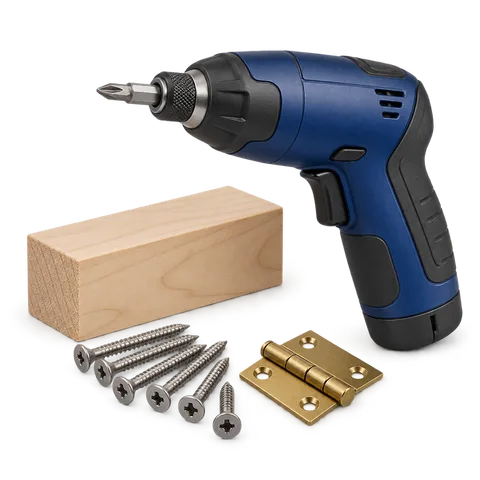
Help customers check sizes, specifications, and compatibility before choosing.
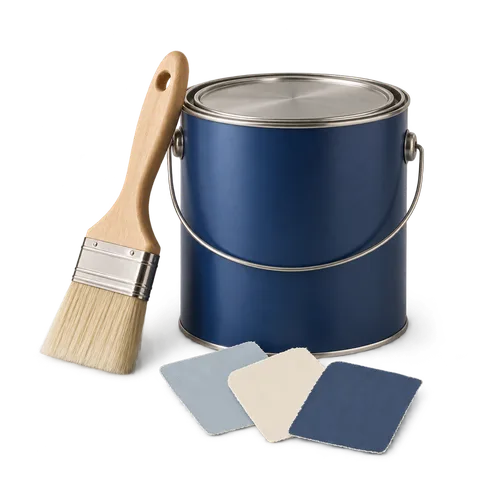
Make finishes, uses, and options easier to understand before the next project.
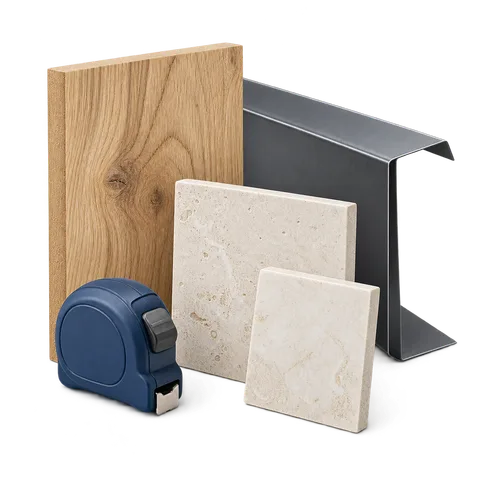
Give buyers clear units, product details, and collection information.
Every part has a job: help shoppers find the right product, understand it, and choose how to buy.
We organize departments, categories, and product relationships around how people shop. Clear names and useful filters help customers narrow a large range without knowing your internal inventory system. We review the available product data before deciding which filters and variants the website can support reliably.
Images, specifications, sizes, compatibility, and buying options belong where shoppers can find them. We design product pages that explain the item and make the next step clear. Your team confirms the factual information, including product claims and policies, before it becomes part of the store.
We review the journey from a product page to cart and checkout, including the mobile experience. Pickup, delivery, and shipping information should appear early enough to help a customer decide. Where a purchase needs a quote or a conversation, we design that route around the way you actually sell.
We agree on where product information comes from, who updates it, and how changes reach the website. If a point-of-sale or inventory connection is needed, we check the systems and available integration options first. The plan includes a clear handover or ongoing website management, depending on your needs.
A useful online store connects each step. We check the whole shopping journey, including the information a customer needs before moving on.
Clear departments and product groupings give shoppers a sensible place to start.
Images, specifications, and options help people decide whether the product fits.
Explain pickup, shipping, delivery, or quote requirements before the next step.
Make the route to checkout or an enquiry straightforward, including on mobile.
A focused improvement or a fresh build starts with the same question: what does your store need?
The first review covers your existing website, product range, ecommerce platform, and day-to-day inventory process. We ask which departments matter most, where customers get stuck, and what your team has time to maintain. Improving an existing site may be the right answer; a rebuild is a separate decision based on what the current setup can support.
Once the scope is agreed, we work through the page structure, product information, design, and shopping flow. You review the store details and policies. We check representative products, variants, links, and purchase paths before launch, then explain what needs attention afterward. Catalog size, data readiness, and integration requirements shape the schedule.
With suitable tracking in place, we can review product views, cart activity, completed orders, and the pages where people leave. Enquiries and pickup interest may also matter, depending on how your store sells. We agree on the useful measures before reporting begins.
Website changes are only part of the picture. Pricing, product demand, availability, and fulfillment affect buying decisions too. Reports connect the work completed to what can actually be observed, helping you choose the next improvement.
A hardware catalog may need pack quantities and model numbers. A paint store may need separate choices for product, finish, base, and container size. Building supplies may be sold by the piece, bag, or length. We map those choices with your team before designing the product template. Pickup instructions and delivery restrictions belong beside the buying decision, especially when an item needs a quote.
Bring the name of your point-of-sale system and a small product export to the initial review. We check available connectors, product identifiers, price fields, and how stock changes reach the website. Compatibility and any integration fees need confirmation. If reliable stock syncing is unavailable, we discuss a catalog and enquiry workflow that your team can maintain. Ongoing management covers the agreed updates after launch; project pricing depends on the catalog and connections involved.
Practical answers about your website, your products, and getting started.
We first check what you can edit, who controls the domain, and whether the supplied platform supports your products and buying options. Existing catalog or cooperative services may be worth keeping. Any new website or integration must fit those agreements and the access available.
Yes. We review its structure, mobile experience, product pages, and buying process first. If the platform supports the improvements you need, we can work with it. If a rebuild is more practical, we explain the reasons and agree on the scope before starting.
That depends on the systems, access, and integration options available. We check compatibility and agree on how stock, prices, and product details should be maintained. We also identify who owns the source data, so a connection does not leave your team guessing where to make changes.
Not necessarily. We can plan the structure around your full range while agreeing on which departments or products are ready for the initial project. Clear priorities are more useful than uploading incomplete listings. Product information and images need to be accurate for anything customers can buy.
The scope depends on the condition of your existing site, catalog size, buying options, and required connections. We separate the initial website project from ongoing support and agree on both before work begins. The introductory call helps establish what your store actually needs.
A good website is the beginning. Give it useful content, help customers find it, and keep it current.
Help shoppers find your products through focused keyword research, stronger category pages, and ongoing search improvements.
Explore serviceGive shoppers useful product descriptions, category pages, and buying guides that answer questions and reflect what you actually sell.
Explore serviceKeep your website current with agreed updates, maintenance, and improvements, with a clear point of contact for ongoing work.
Explore serviceTell us about your website, your products, and what you want to improve. We’ll help you find a practical starting point.
A free introductory conversation.